Department of Psychology, Goldsmiths, University of London
2026-03-25
Nobody ever got hired for being unable to explain what they know.
Let’s get something out of the way
This is not about becoming a blogger.
This is not about writing about psychology forever.
This is about the single most transferable skill you will develop at university:
The ability to take something complex and make it land.
What “Science Communication” actually means
It is not one skill. It is a stack.
Layer
What it is
Where it shows up
Comprehension
Understanding deeply enough to simplify
Every job, meeting, pitch
Audience awareness
Knowing what your reader does not know
Marketing, UX, consulting, therapy
Narrative structure
A story with beginning, middle, end
Proposals, fundraising, journalism
Visual thinking
The right image, chart, or diagram
Design, data science, publishing
Editing
Cutting what does not earn its place
Management, strategy, leadership
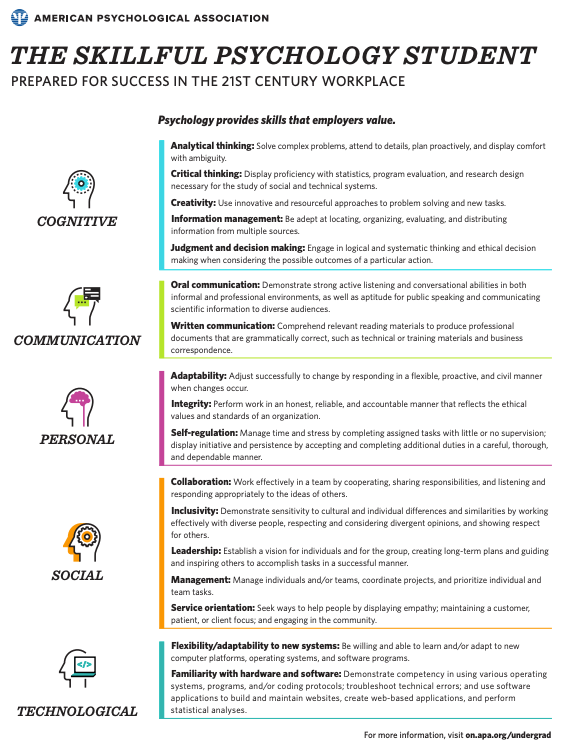
The Skillful Psychology Student
The APA’s vision of the skills employers value in psychology graduates
The APA agrees
Communication is not a soft add-on. It is a core competency of the psychology degree. The APA Guidelines for the Undergraduate Psychology Major list it as one of the five pillars of the discipline.
“If you can’t explain it simply, you don’t understand it well enough.”
Often attributed to Einstein. Probably apocryphal. Still true.
The Greats
People who changed the world by explaining it.
Feynman: “I’m an ordinary person who studied hard”
Richard Feynman (1918–1988)
Nobel laureate in physics. But his legacy is not the diagrams.
It is that he could explain anything to anyone.
His Cornell lectures made quantum electrodynamics feel conversational. He testified to Congress about the Challenger disaster using a glass of ice water and a rubber O-ring.
The Feynman lesson: Complexity is not a sign of intelligence. Clarity is.
“I’m an ordinary person who studied hard.”
Sagan: Pale Blue Dot
Carl Sagan (1934–1996)
Astronomer. Author. The voice of Cosmos.
Sagan did not simplify science. He made you feel the scale of it. “Billions and billions” became a cultural phrase not because it was dumbed down, but because it was felt.
He understood that science communication is not about lowering the bar. It is about widening the door.
The Sagan lesson: Awe is a communication strategy. If you feel it, your audience will too.
“Look again at that dot. That’s here. That’s home. That’s us.”
Attenborough: master of disappearing
Sir David Attenborough (b. 1926)
Seven decades of broadcasting. Still going.
What Attenborough does better than anyone: he disappears. The story is never about him. It is about the animal, the ecosystem, the moment.
He also proves that science communication is not just for scientists. Attenborough studied geology and zoology, then spent his career translating the work of others.
The Attenborough lesson: The best communicator is the one you forget is there. The subject is the star.
A little monkey trying to make his way in the world.
Goodall: “What you do makes a difference”
Jane Goodall (1934–2025)
Primatologist, conservationist, and one of the most recognisable scientists of our time.
Goodall’s genius was not just the fieldwork — it was making people care. She gave the chimps names. She broke the rules of detached scientific reporting and built a global movement.
Her late career was entirely science communication: talks, books, the Jane Goodall Institute. The research became the platform. The communication became the mission.
The Goodall lesson: Science communication is not what you do after the research. Sometimes it is the point.
“You have to decide what kind of difference you want to make.”
Loftus: rewriting your memories with an advert
Elizabeth Loftus (b. 1944)
The world’s leading expert on false memory. But also one of psychology’s most effective public communicators.
Loftus does not just publish papers. She testifies in court, she appears on television, she gives talks that make juries — and the public — understand that memory is not a recording.
Her work on the misinformation effect has influenced law, policy, and culture. None of that happens if she cannot explain it outside the lab.
The Loftus lesson: Impact requires communication. The best research in the world changes nothing if nobody outside your field understands it.
The Bugs Bunny study — a masterclass in communicating a finding.
The Bugs Bunny experiment
Braun, Ellis & Loftus (2002) showed that a single fake Disney advert featuring Bugs Bunny could make people “remember” meeting him at Disneyland as a child.
This is impossible. Bugs Bunny is a Warner Bros. character. He has never been at Disneyland.
But after viewing the ad, 16% of participants reported remembering shaking hands with Bugs Bunny at a Disney resort.
The ad did not just change attitudes. It rewrote memories.
Why this is great science communication
Loftus did not need to explain signal detection theory or source monitoring frameworks. She told a story about a cartoon rabbit and a handshake. Everyone gets it. The finding communicates itself because the example is perfectly chosen.
This study was the first time I ever encountered real psychological data — as a marketing professional, not a psychologist. It changed the direction of my career.
But those are legends. What about us?
The Modern Communicators
Science communication did not stay in lecture halls. It went everywhere.
In writing: Ed Yong
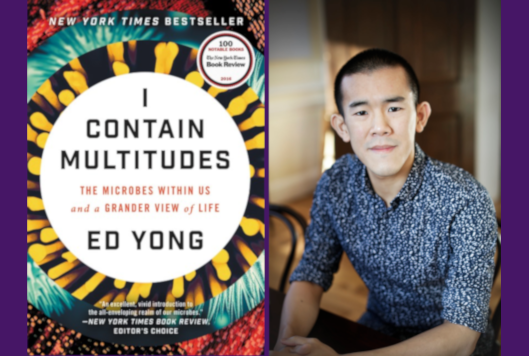
Ed Yong — staff writer at The Atlantic
Won the Pulitzer Prize for Explanatory Reporting in 2021 for his COVID-19 coverage. His book I Contain Multitudes made the microbiome genuinely fascinating to a mass audience.
Yong does not have a science PhD. He has a zoology degree and an extraordinary ability to read 40 papers and turn them into one clear story.
The lesson: You do not need to be the expert. You need to be the translator.
Ed Yong — Pulitzer Prize-winning science journalist
“The best science writing makes the reader feel smarter, not smaller.”
On screen: Hannah Fry
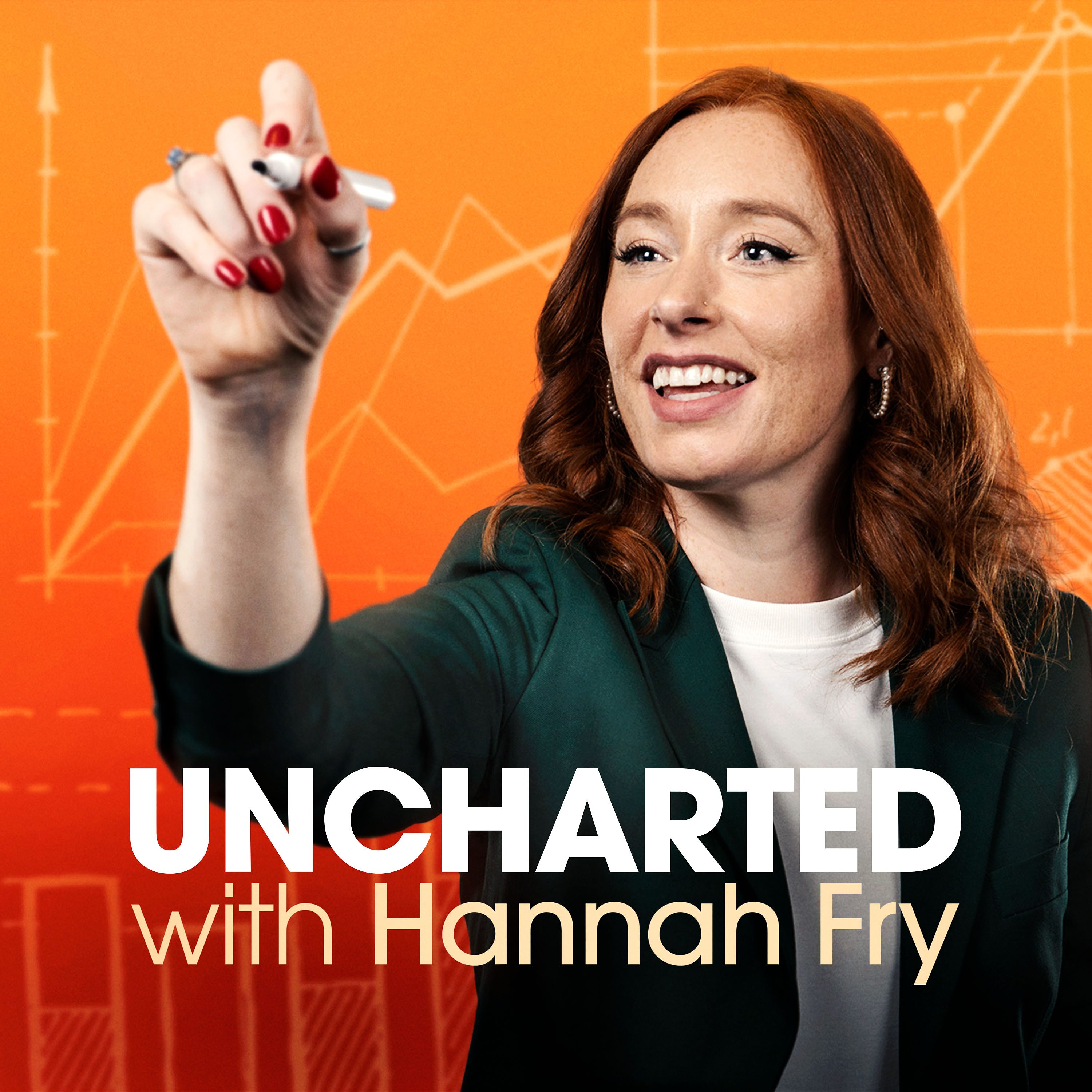
Hannah Fry — mathematician, UCL professor, BBC presenter
Fry presents documentaries on algorithms, AI, and mathematics to mainstream BBC audiences. Her TED talks have been viewed millions of times. Her book Hello World made algorithmic decision-making accessible without losing its ethical weight.
She is a working academic who also happens to be one of the most effective communicators in Britain.
The lesson: Academic rigour and public accessibility are not opposites. They are the same skill applied differently.
“If you can make someone care about a maths problem, you can make them care about anything.”
In data: Hans Rosling
Hans Rosling (1948–2017) — physician, statistician, sword-swallower
His Gapminder presentations turned global health data into theatre. Bubbles moved. Axes told stories. Audiences gasped at data about child mortality.
Rosling proved that a chart is not a chart. It is a narrative device. The same data, presented differently, changes minds or puts them to sleep.
The lesson: Data does not speak for itself. You speak for it. Learn to speak well.
200 countries, 200 years, 4 minutes. Data as theatre.
And also: the power of gesture
Communication is not just words. It is body language, gesture, and performance.
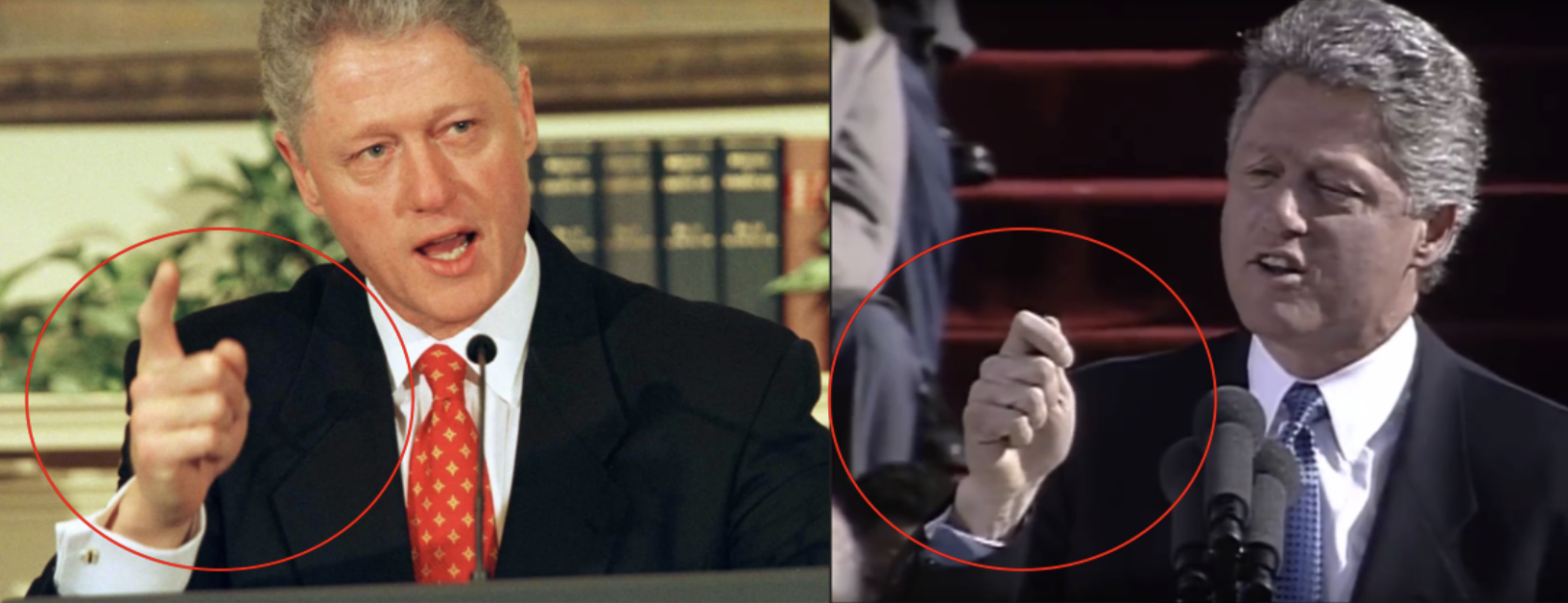
Clinton’s thumb-over-fist gesture — trained to appear authoritative without pointing
Bill Clinton’s communication coaches replaced his natural pointing gesture with the now-famous thumb-over-fist. Pointing is aggressive. The thumb is assertive but warm. That single change in nonverbal communication reshaped how millions of people perceived him.
Every detail of communication is a choice.
OK but what about closer to home?
Your lecturer does this too
Science communication is not something I teach from a distance. It is something I do.
BBC Horizon — running an experiment on deception, live on camera
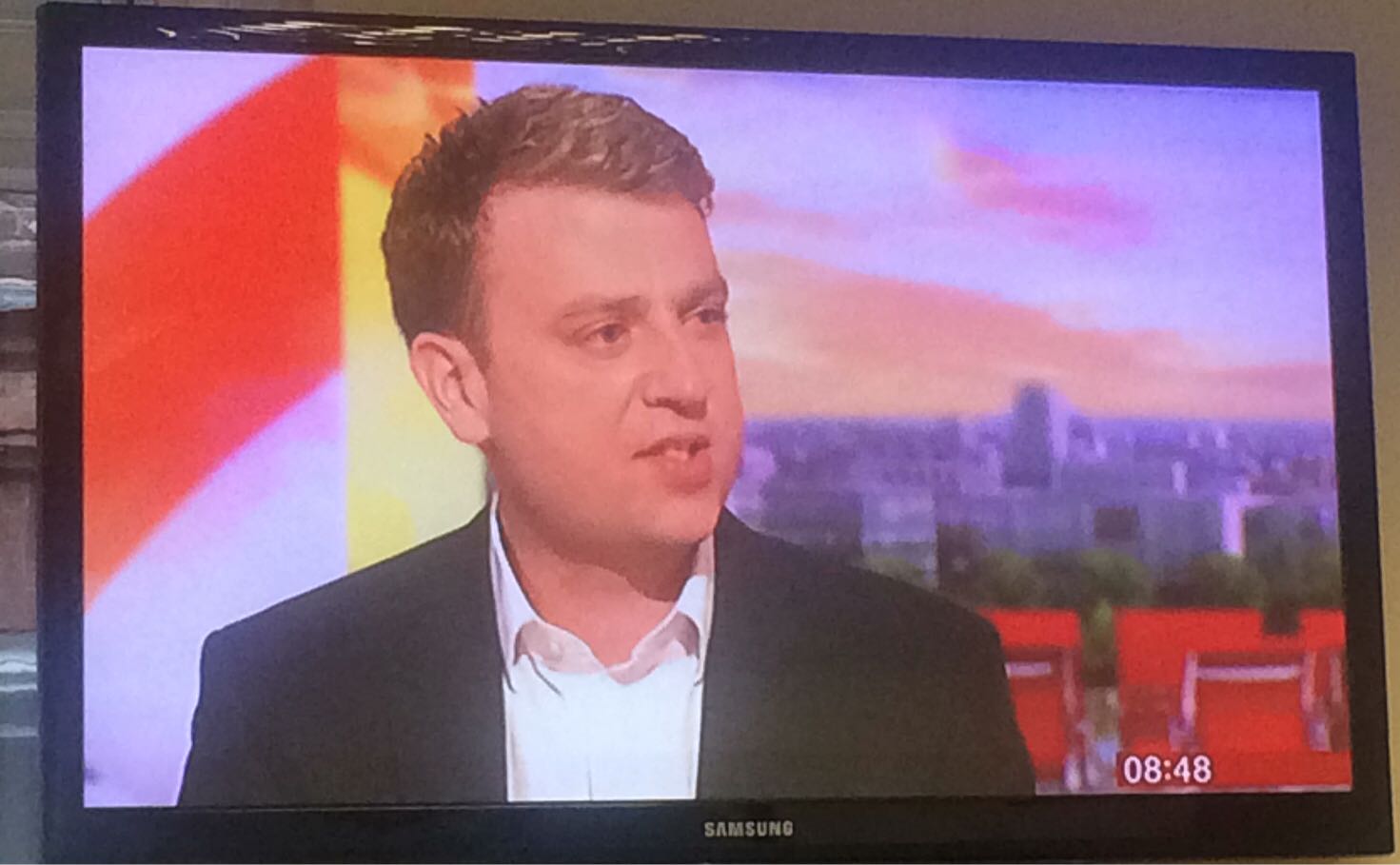
BBC Breakfast — live national television
BBC Radio tour — explaining psychology across local and national stations
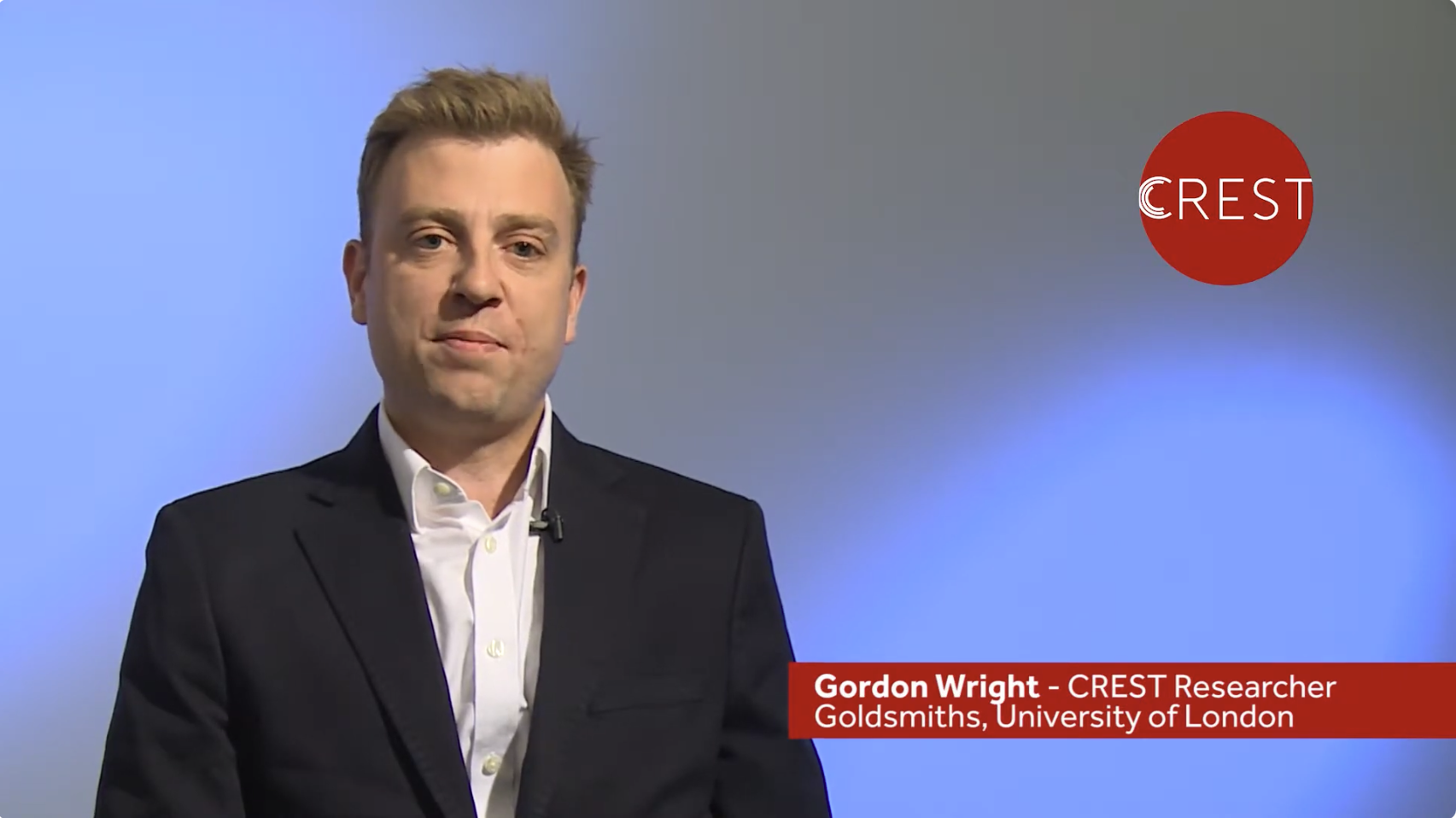
CREST — Centre for Research and Evidence on Security Threats
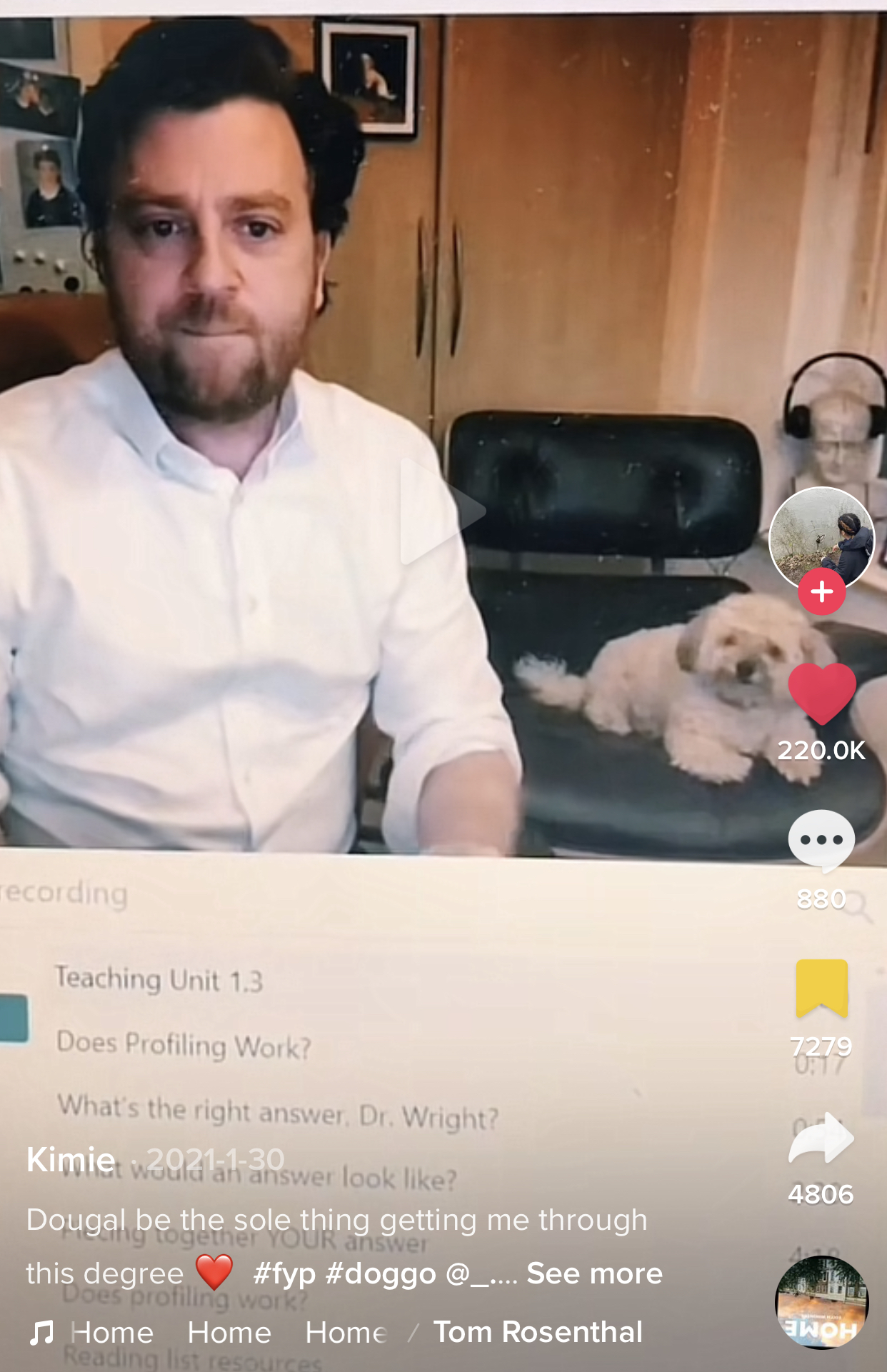
TikTok — 1 million views with Dougal the dog
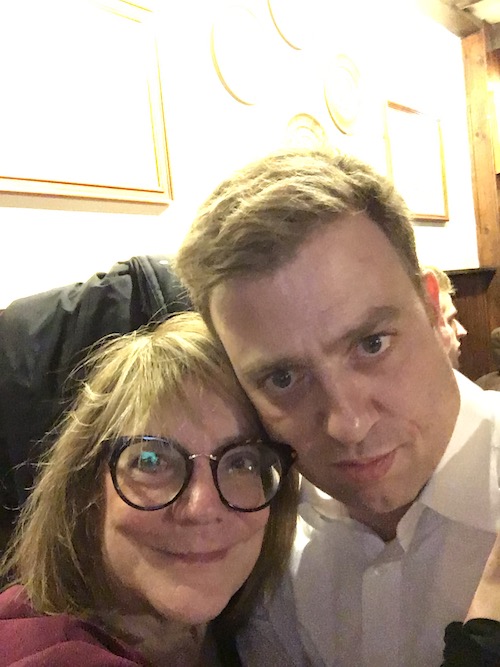
With Beth Loftus — memory researcher, courtroom expert, science communicator, my bestie!
Different platforms, same skill
BBC Horizon — 60-minute documentary. Millions of viewers. I was running an experiment on the psychology of deception, on camera, for a general audience.
BBC Breakfast / Radio — Live national broadcasting. No second takes. You either communicate clearly or you do not.
TikTok — 60 seconds. A dog. 1 million views. The platform is absurd. The communication skill is identical.
Each of these required the same core competencies you are building in this module.
Academic conferences — presenting to experts who will challenge every claim.
Courtrooms — as an expert witness, explaining psychological concepts to juries.
CREST — the Centre for Research and Evidence on Security Threats. Translating security research for government and practitioners.
The medium changes. The skill does not.
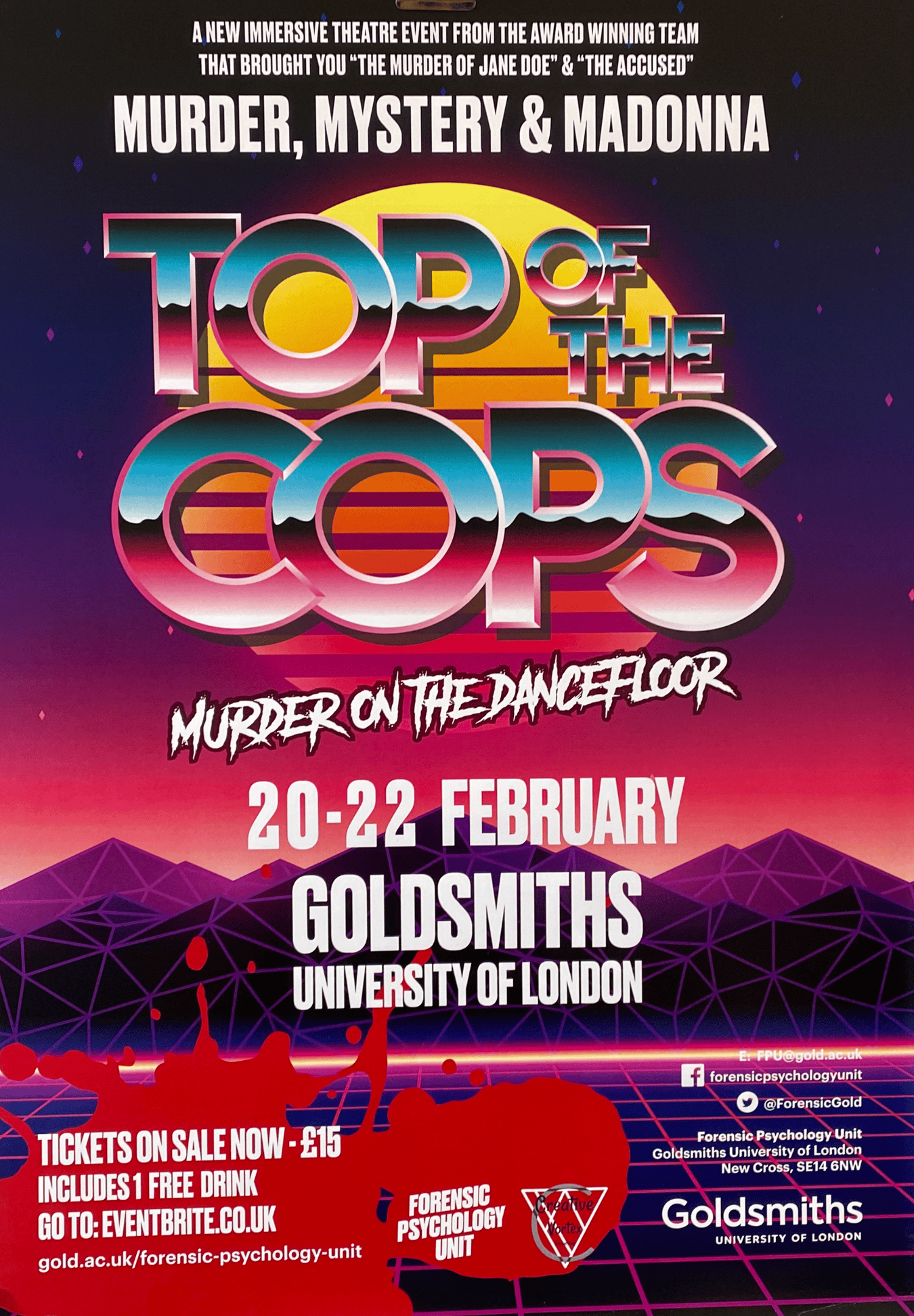
Science communication as immersive theatre
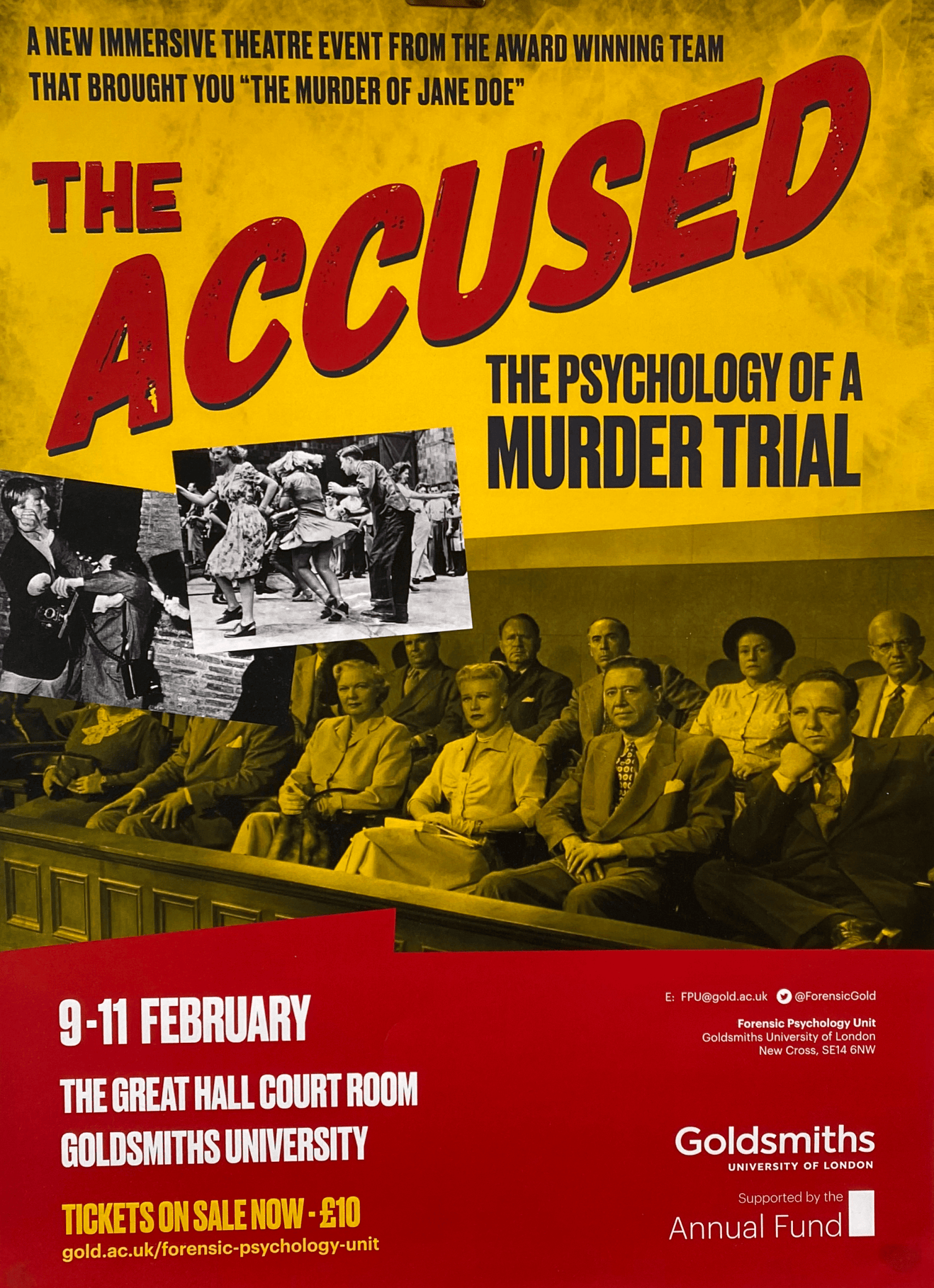
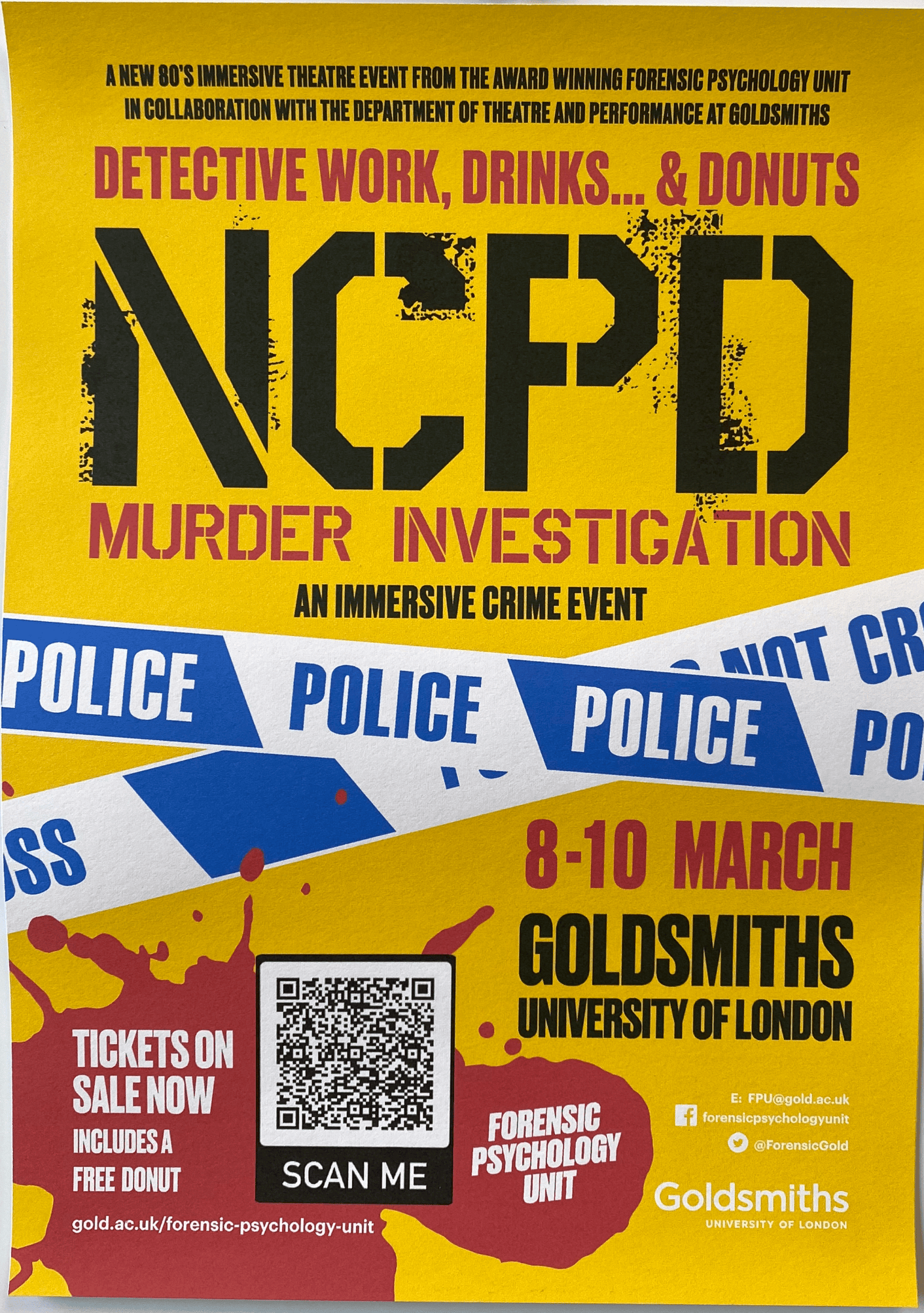
At Goldsmiths, the Forensic Psychology Unit turned science communication into something nobody expected: student-led immersive crime events.
Real psychology. Real evidence. Real audience participation. Hundreds of members of the public, in costume, solving crimes using forensic psychology.
We turned the Great Hall into a courtroom with a dance floor
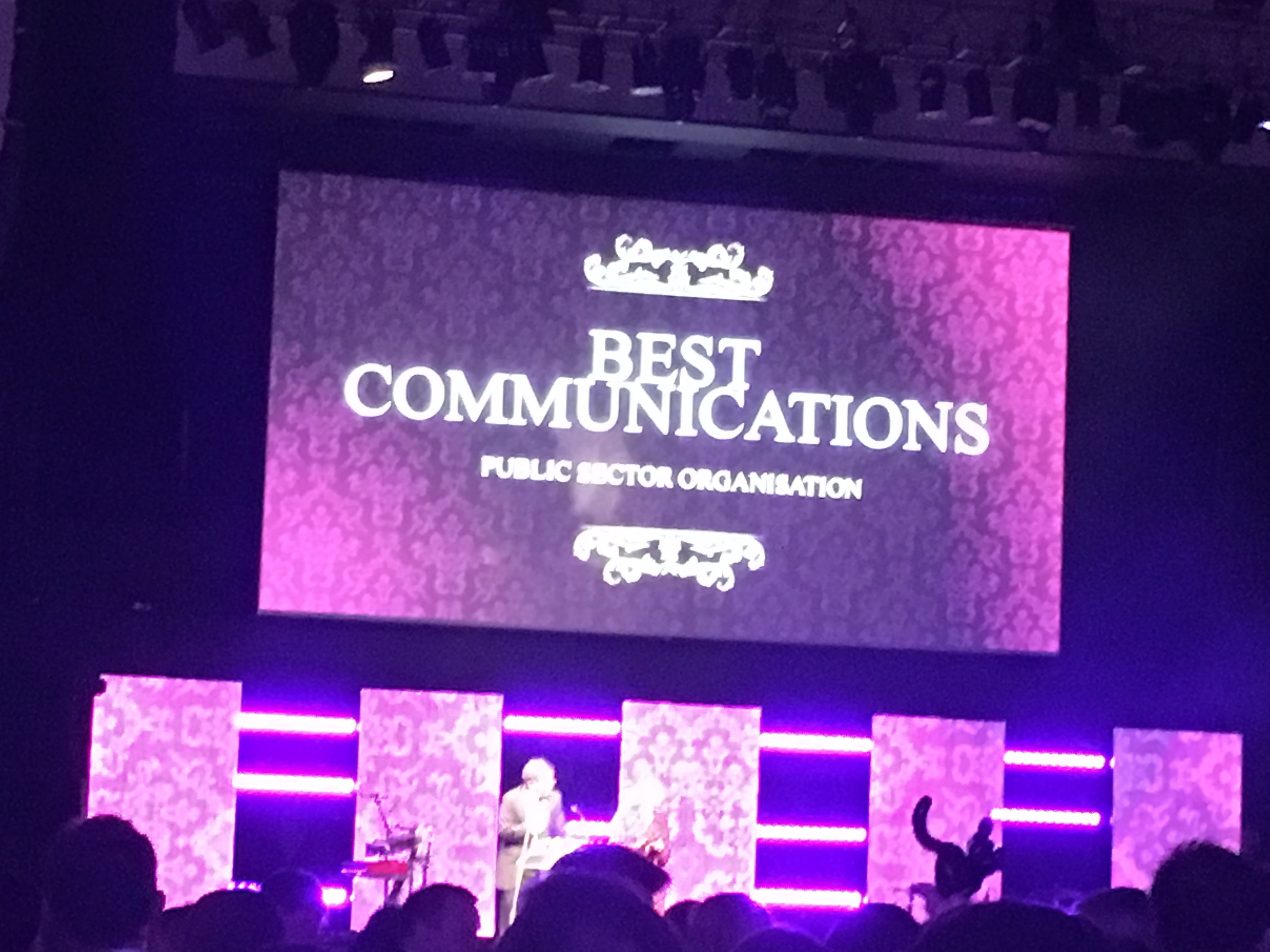
Best Communications by a Public Sector Organisation — for The Death of Jane Doe
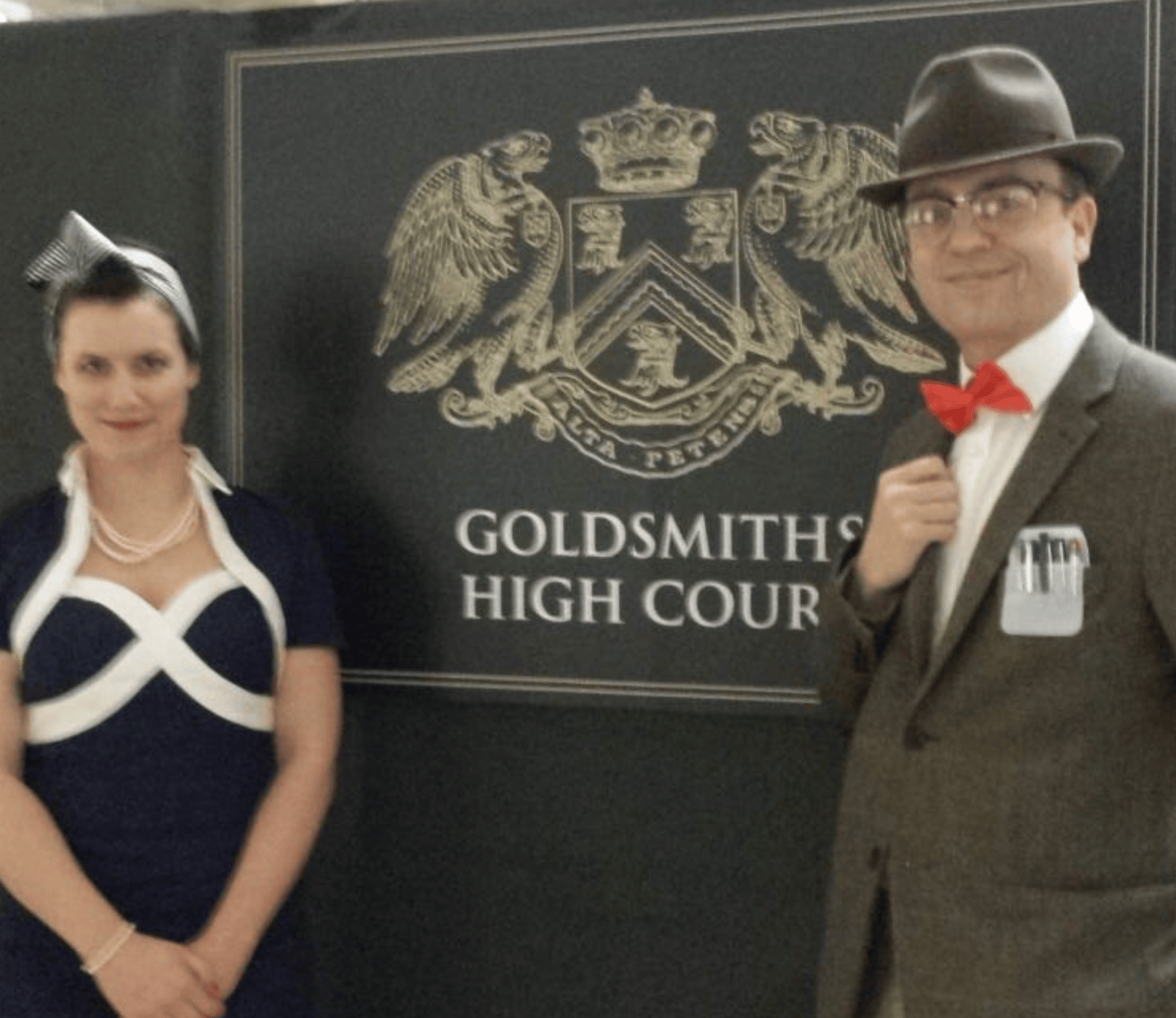
Period costumes, courtroom drama, and genuine forensic psychology — Goldsmiths High Court
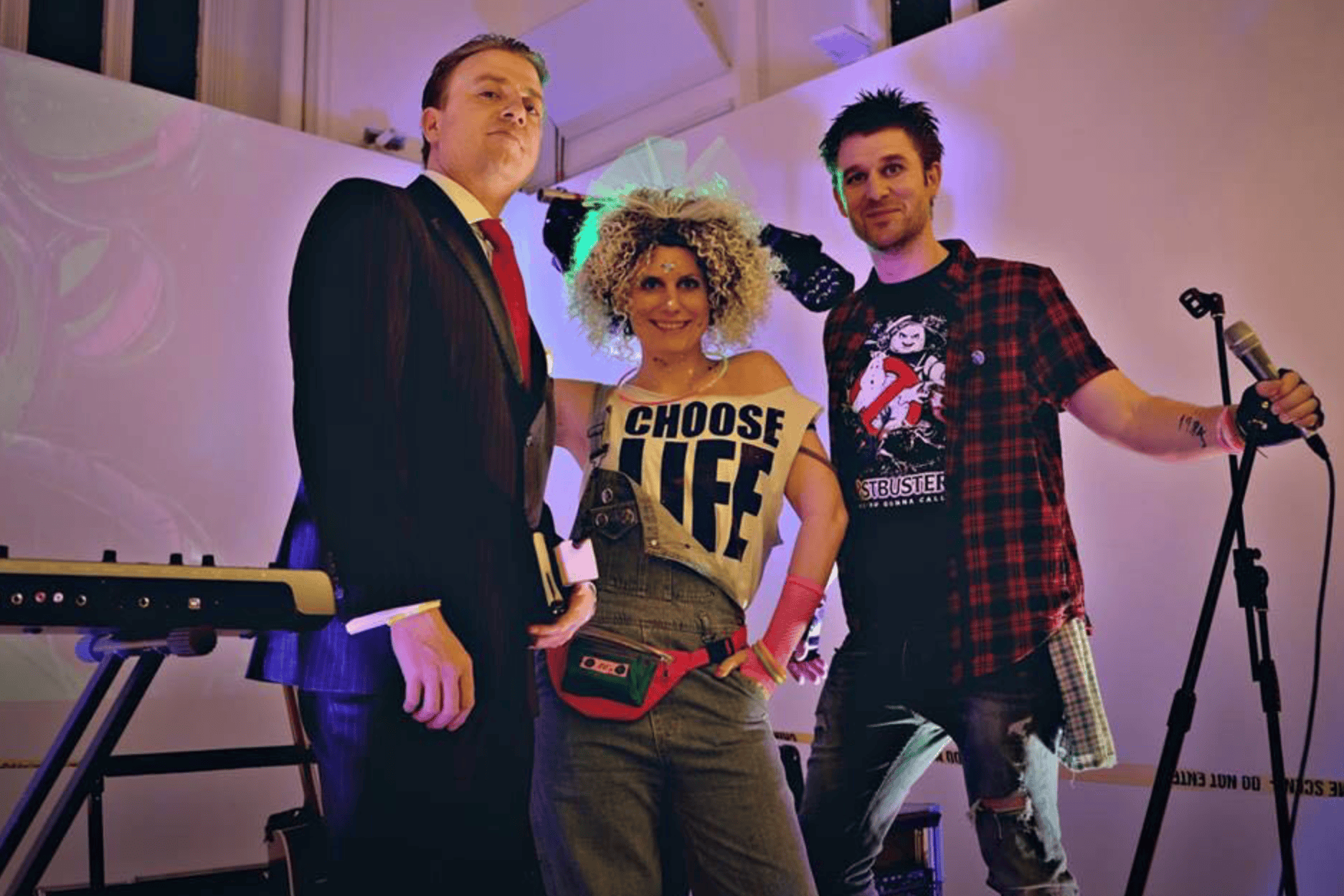
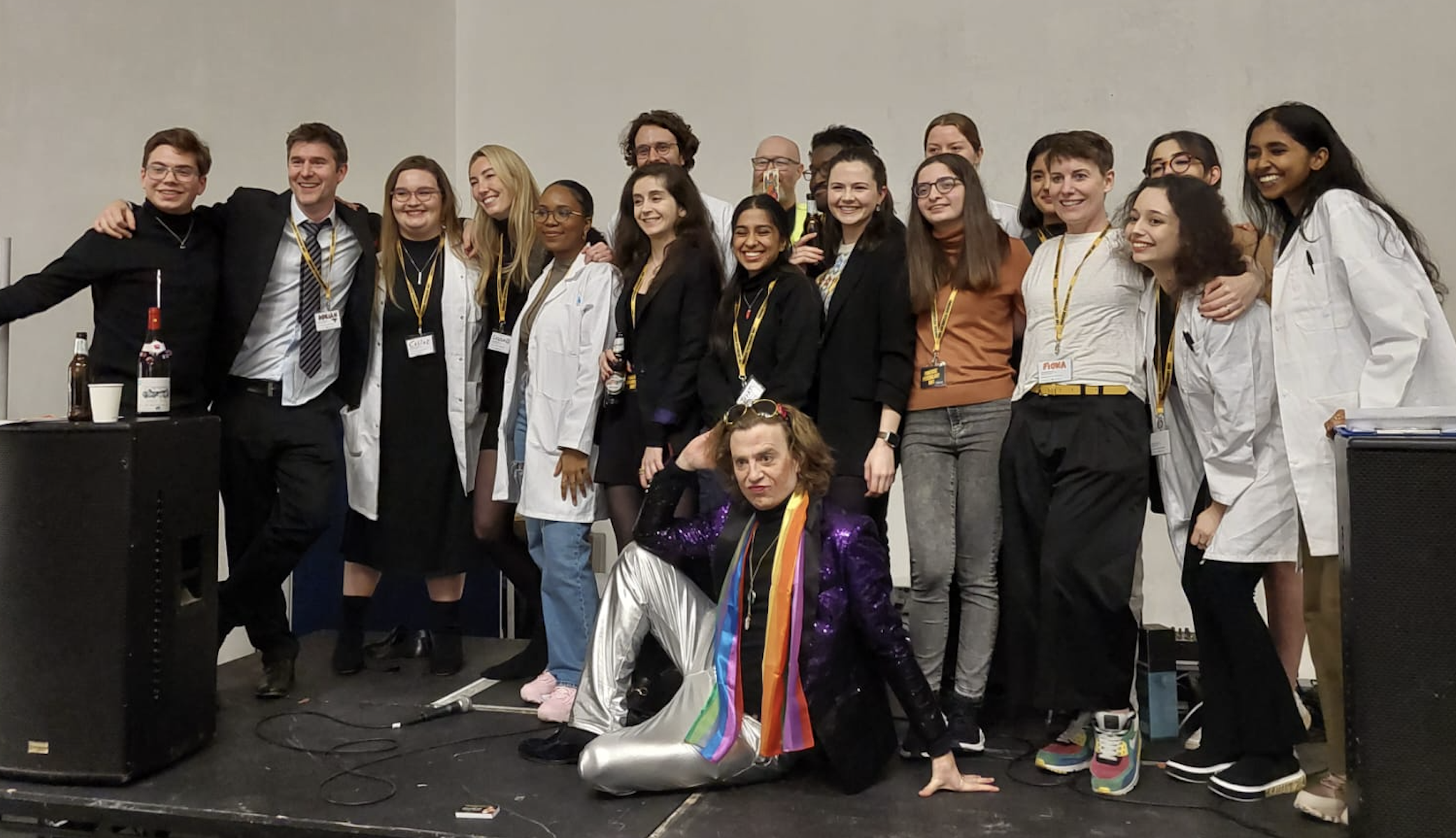
The cast of Cold Case: Missing Persons — our last murder mystery event
These events were student-led. Staff just acted like idiots. The research was real. The communication was theatrical. The audience learned without realising they were being taught.
And yes, it got weird
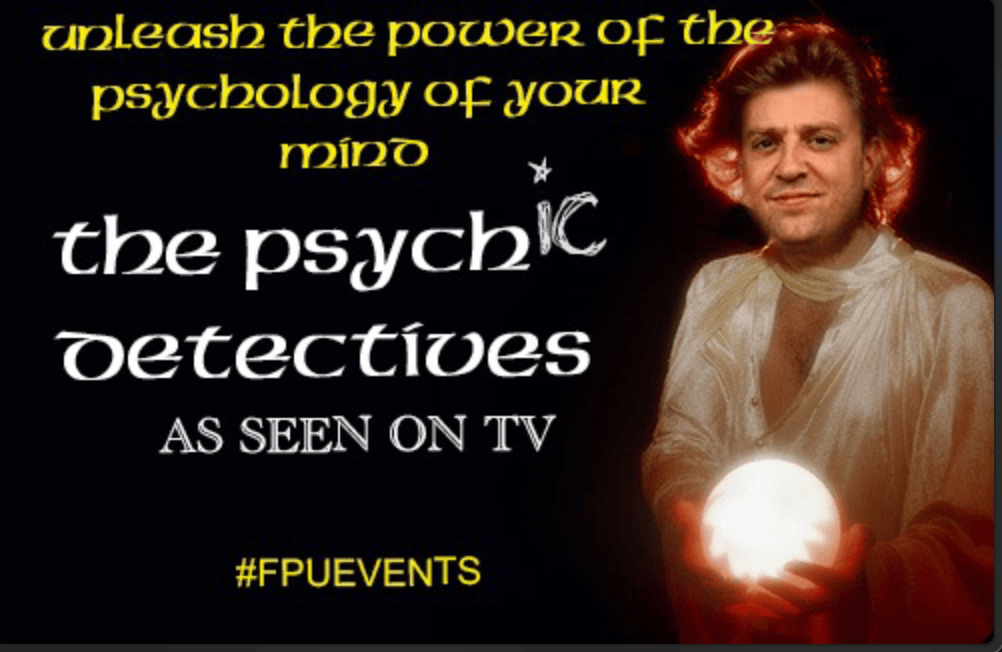
We even ran an event debunking psychic detectives. Using psychology. As seen on TV.
The point: there is no format that science communication cannot occupy.
In business: every single day
Here is the part nobody tells you in a psychology degree:
Most of the working world runs on communication.
Role
What they actually do all day
Management consultant
Reads complex data, writes clear decks
UX researcher
Translates user behaviour into design recommendations
Policy adviser
Turns evidence into briefings ministers can act on
Marketing strategist
Makes complicated products feel simple
Clinical psychologist
Explains diagnoses and treatment plans to patients and families
Data analyst
Tells stories with numbers
Founder / entrepreneur
Pitches, pitches, pitches
Every one of these is science communication with the serial numbers filed off.
The skill is the same. The stage changes.
Your trajectory at Goldsmiths
This module is not the destination. It is the first rung.
flowchart LR
    A["<b>Year 1</b><br>Science Communication<br><i>Blog Post</i>"] ==> B["<b>Year 2</b><br>Science Fair<br><i>Poster & Presentation</i>"]
    B ==> C["<b>Year 3</b><br>Science Conference<br><i>Research Talk</i>"]
    C ==> D["<b>Beyond</b><br>Ownership<br><i>Your Voice, Your Platform</i>"]

    style A fill:#9B1B30,color:#fff,stroke:#fff,stroke-width:2px
    style B fill:#61589C,color:#fff,stroke:#fff,stroke-width:2px
    style C fill:#008080,color:#fff,stroke:#fff,stroke-width:2px
    style D fill:#1a1a1a,color:#fff,stroke:#fff,stroke-width:2px

    linkStyle 0 stroke:#9B1B30,stroke-width:4px
    linkStyle 1 stroke:#61589C,stroke-width:4px
    linkStyle 2 stroke:#008080,stroke-width:4px
Year 1: Science Communication
Where you are now.
You take someone else’s research and communicate it to a general audience.
This builds:
Reading comprehension at speed
Audience awareness (who am I writing for?)
Narrative structure (beginning, middle, end)
Visual communication (at least one original figure)
Writing under constraint (800–1000 words is harder than 3000)
Year 2: Science Fair
Where you are going next.
You present your own empirical work on a poster, face to face.
This adds:
Speaking to strangers about your work
Defending your reasoning under live questioning
Designing for the wall — a poster is not a paper, it is a billboard
Real-time adaptation — reading your audience and adjusting
The blog post taught you to write for a reader you cannot see. The poster teaches you to communicate with a person standing right in front of you.
Year 3: Science Conference
Where it comes together.
You present a full research talk at a student conference.
This adds:
Slide design as argumentation
Timing and pacing — 15 minutes, no more
Handling questions from peers and academics
Professional identity — this is how academics actually share knowledge
By Year 3, you will have communicated science in writing, on a poster, and from a podium. That is a portfolio, not a coursework history.
Beyond Goldsmiths
Where the skill becomes yours.
You may never write another blog post about psychology. That is fine. The skills transfer completely:
A management consultant explains a restructuring plan to a board
A therapist explains a diagnosis to a worried parent
A data scientist explains a model’s predictions to a CEO who does not know what a regression is
A founder explains their product to an investor in 90 seconds
These are all the same skill. Comprehension, structure, audience, clarity.
You are not learning to blog about psychology.
You are learning to make the complex clear.
That is the skill that changes everything.
What they all share
It is not fame. It is not charisma.
It is the refusal to hide behind jargon.
Feynman used a glass of ice water. Sagan used a photograph of Earth. Attenborough showed us a little monkey trying to make his way in the world. Loftus used Bugs Bunny. We turned the Great Hall into a courtroom with a dance floor.
They each decided that if the audience did not understand, the failure was theirs, not the audience’s.
That is the mindset this module asks you to adopt.
Not: “Can I demonstrate that I understood the paper?”
But: “Can I make you understand it — and care?”
Your coursework brief…
What
800–1000 word blog post (or 4–5 min video)
About
One target article, communicated to a non-expert audience